Terroir & Time: The Agrarian Soul of Tuscany
Far from the tourist-choked piazzas of Florence, the rolling ridges of Val d’Orcia protect an agricultural integrity shaped by centuries of familial guardianship.
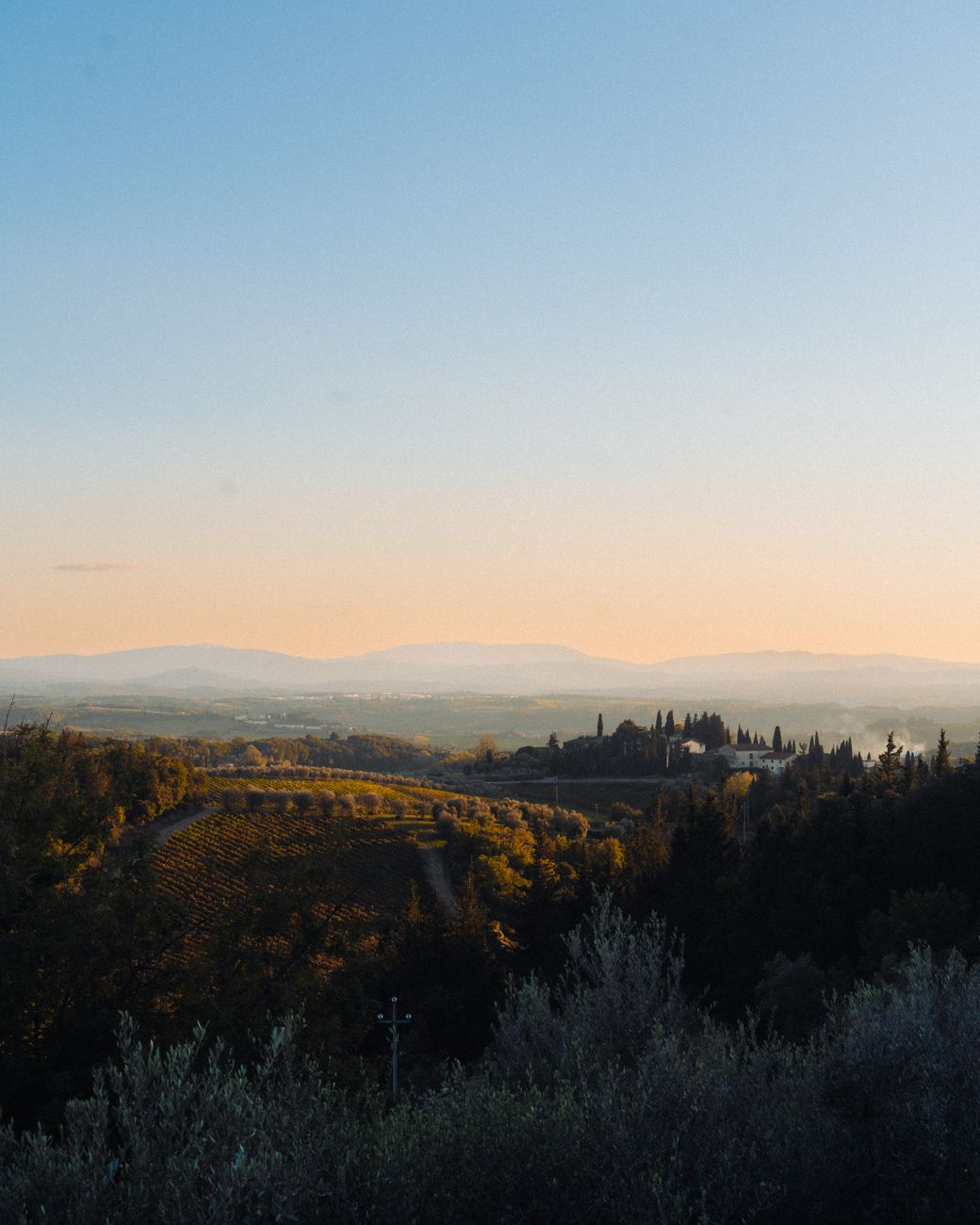
In central Italy, terroir is neither a marketing slogan nor a casual adjective; it is a spiritual dialogue between calcareous clay soil, seasonal mistral winds, and the hands of generations who know each ancient olive grove by name.
The Autumn Frantoio Ritual
During late October, our expedition joined the olive harvest across the hills of Pienza. Green olives are gathered by hand in woven nets, transferred within hours to ancient stone mills (frantoi), and cold-pressed into vivid emerald oil that stings the throat with pure peppery polyphenols.
“Good oil cannot be accelerated; it is the summary of an entire year’s sunlight and drought poured into glass.”
We dined with the Bandini family, whose estate has cultivated Sangiovese and heirloom wheat varieties since 1782. Their bread, baked from stoneground senatore cappelli grain over wood embers, represents the antithesis of modern industrialized nutrition.
How to Experience Slow Tuscany
Travelers seeking real engagement should avoid pre-packaged day excursions from Rome or Milan. Instead, reserve private stays directly with certified agriturismi that cultivate their own vineyards and vegetable gardens.